
2026-10-08 · Marco Ramirez
Rodent Control in Miami: Keeping Rats and Mice Out of Your Home
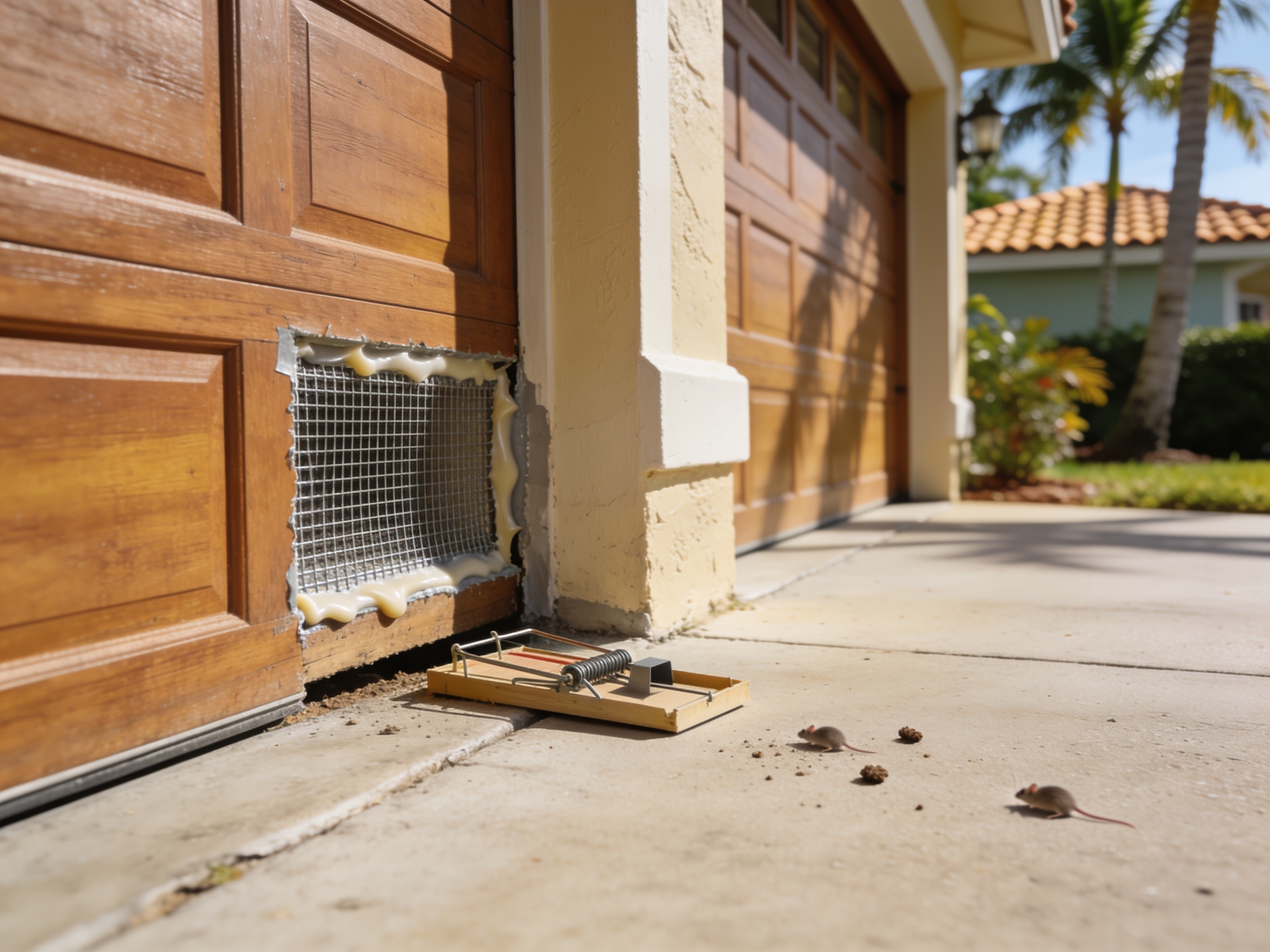
Keeping rats and mice out of your Miami home involves a multi-faceted approach, primarily focusing on exclusion, sanitation, and, if necessary, professional intervention. In a tropical monsoon climate like ours, with hot, wet summers, rodents are constantly seeking cooler, drier, and food-rich environments, making our homes particularly attractive. Effective rodent control isn't a one-time fix; it requires ongoing vigilance, especially in neighborhoods like Coconut Grove or Little Havana, where older homes with more potential entry points are common. The key is to address potential access points and eliminate attractants year-round, not just when you spot a problem. For comprehensive solutions, our dedicated team offers expert services in Rodent Control tailored to the unique challenges of Miami.
Understanding Miami's Rodent Threats
Miami-Dade County is home to several types of rodents, but the most common culprits invading homes are the roof rat (Rattus rattus) and the house mouse (Mus musculus). Roof rats, also known as black rats, are excellent climbers and often enter homes through attics, eaves, and trees overhanging roofs – a common sight in areas like Coral Gables with its lush landscaping. House mice are smaller and can squeeze through incredibly tiny openings, as small as a dime, making them a pervasive problem in older structures found in Overtown or near landmarks like the Freedom Tower. Both species are prolific breeders, meaning a small problem can escalate into a full-blown Rodent Infestation quickly.
Our climate, with its consistent warmth and humidity, provides ideal conditions for rodents to thrive year-round, unlike regions with harsh winters that naturally thin their populations. This means that while some areas might see a seasonal increase in rodent activity, Miami homeowners need to be on guard continually. The proximity to water bodies, dense urban areas like Downtown Miami and Brickell, and even natural preserves, all contribute to a robust rodent population that is constantly looking for new food and shelter.
Identifying Signs of Rodent Activity
Detecting a rodent problem early is critical for effective control. Rodents are primarily nocturnal, so you might not see them during the day. Instead, look for these tell-tale signs:
- Droppings: Small, dark pellets found in cupboards, drawers, under sinks, or along baseboards. Mouse droppings are about the size of a grain of rice, while rat droppings are larger, resembling a small bean.
- Gnaw Marks: Rodents constantly gnaw to keep their incisors sharp and to access food. Look for chew marks on food packaging, electrical wires (a significant fire hazard), wooden structures, and pipes. This is especially common in attics and walls.
- Runways/Grease Marks: Rodents tend to use the same paths repeatedly. Over time, grease and dirt from their fur can leave dark smudges along walls and baseboards.
- Nests: Shredded paper, fabric, insulation, or other soft materials indicate nesting sites, often found in secluded areas like attics, basements, or cluttered storage spaces. If you suspect Rodents in Attic or Rodents in Walls, these are key indicators.
- Scratching Noises: Sounds of scurrying, gnawing, or scratching in walls, ceilings, or attics, particularly at night, are strong indicators of rodent presence.
- Unusual Pet Behavior: Dogs and cats may become agitated, bark, or scratch at areas where rodents are present.