
2026-10-08 · Marco Ramirez
Cockroach Prevention in Miami: A Guide to a Pest-Free Home
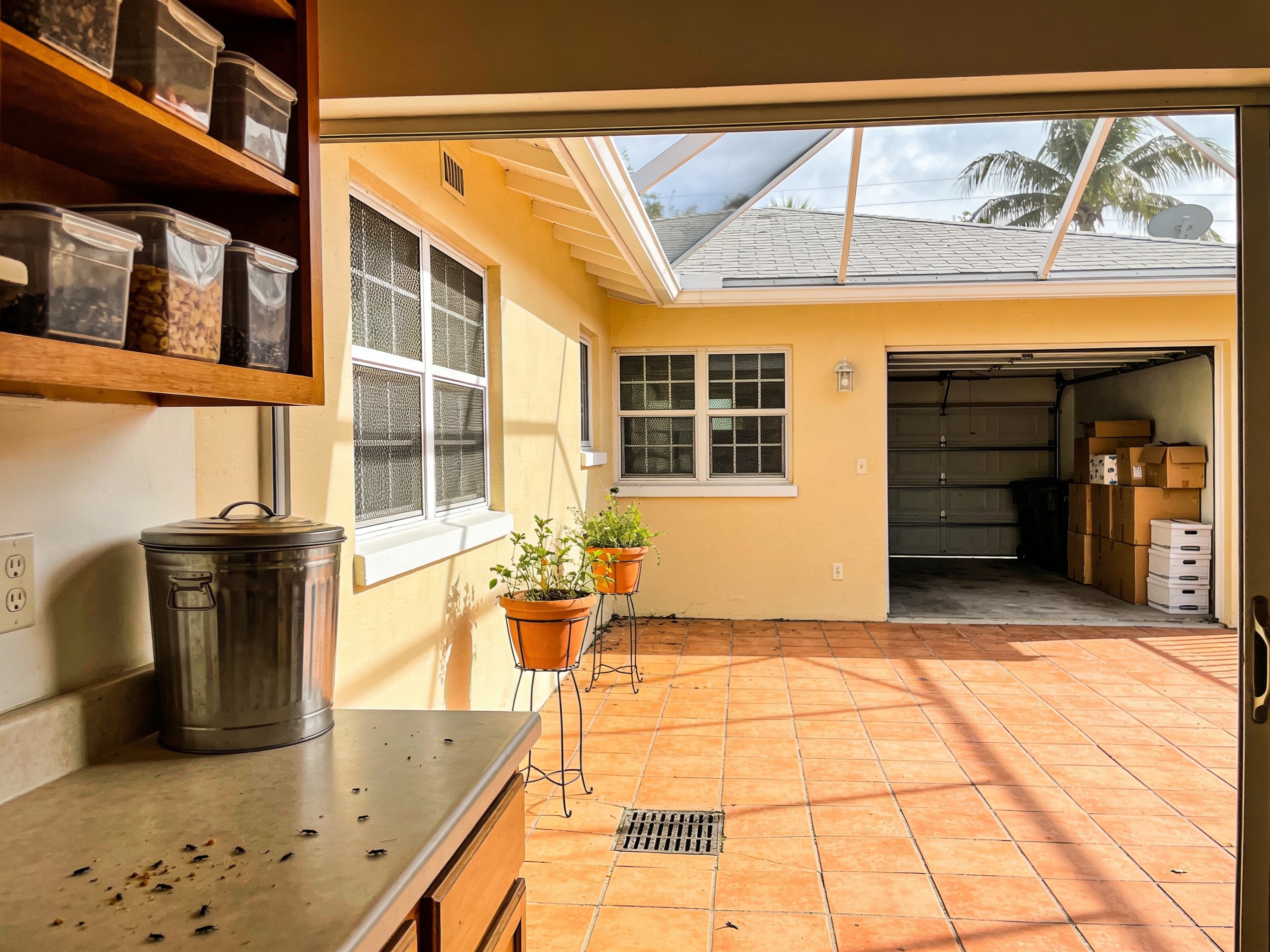
Preventing cockroaches in Miami homes, from the historic bungalows of Coconut Grove to the high-rises of Brickell, is an ongoing battle due to our tropical monsoon climate with its hot, wet summers. The key to a pest-free home lies in a multi-faceted approach that addresses both immediate concerns and long-term environmental factors. While complete eradication can be challenging, consistent prevention can drastically reduce their presence, often by 80–90% or more, making your living space significantly more comfortable and hygienic. Unlike colder climates where roach activity might slow in winter, Miami's year-round warmth means these pests are always seeking shelter, food, and moisture, making proactive measures essential for every homeowner in Miami-Dade County.
Understanding Miami's Cockroach Challenge
Miami's unique environment provides an ideal breeding ground for several cockroach species, particularly the American cockroach (often called palmetto bugs) and the German cockroach. The American cockroach, large and reddish-brown, thrives in warm, damp areas like sewers and drains, frequently entering homes in areas like Overtown or near the Miami River. German cockroaches, smaller and lighter brown, are notorious for infesting kitchens and bathrooms due to their preference for food, moisture, and warmth, making them a common nuisance in apartment buildings across Downtown Miami and Wynwood. Our consistently high humidity, especially during the summer months, keeps these pests active and reproducing year-round, unlike regions with distinct cold seasons that naturally curb their populations. This constant pressure means that prevention isn't a seasonal task but a continuous effort for residents in Miami, Coral Gables, and Hialeah.
The typical housing stock in Miami-Dade County, ranging from older homes in Little Havana to newer constructions in the Design District, also plays a role. Older homes often have more cracks and crevices, providing easy entry points and hiding spots. Even modern buildings, with their complex plumbing and shared walls, can offer ample opportunities for roaches to move between units. The proximity to landmarks like Bayside Marketplace or the Vizcaya Museum, while beautiful, doesn't deter these resilient insects, which are constantly on the lookout for new food sources and shelter. Understanding these local factors is the first step in effective cockroach prevention.
Essential Sanitation Practices
Maintaining impeccable cleanliness is perhaps the most critical step in cockroach prevention. Cockroaches are scavengers, drawn to even the smallest food crumbs and spills. In Miami's humid environment, food waste can quickly become a prime attractant. Always wipe down kitchen counters and dining tables immediately after use, paying close attention to sticky residues from tropical fruits or sugary drinks. Store all food in airtight containers, including pet food, and never leave dirty dishes in the sink overnight, especially during our hot, wet summers when roach activity peaks. Regularly sweep and mop floors, reaching under appliances like refrigerators and stoves, which often accumulate grease and food debris.
Beyond the kitchen, manage waste effectively. Use trash cans with tight-fitting lids and empty them daily, especially in areas like Brickell where high-density living can mean increased pest pressure. For outdoor trash, ensure bins are well-sealed and placed away from your home's foundation. In bathrooms, promptly clean up water spills and address any dampness. Even small details, like cleaning up toothpaste residue, can make a difference. These consistent sanitation habits create an inhospitable environment for cockroaches, forcing them to seek sustenance elsewhere, which is crucial for preventing a full-blown cockroach infestation.
Sealing Entry Points and Eliminating Hiding Spots
Cockroaches are masters at squeezing through tiny openings, so sealing potential entry points is vital for prevention. Inspect your home's exterior and interior for cracks, crevices, and gaps. Pay particular attention to areas around pipes, utility lines, and dryer vents. Use caulk or weatherstripping to seal gaps around windows and doors. Even a gap as small as 1/8 inch can be an invitation for a cockroach. In older homes common in areas like Coconut Grove, foundation cracks should be repaired promptly, as these can be direct pathways from outdoor harborage areas.
Inside, focus on eliminating their preferred hiding spots. Cockroaches love dark, secluded, and often damp places. Declutter basements, attics, and storage areas. Repair leaky faucets and pipes immediately, as standing water provides a crucial resource for these pests. Ensure proper ventilation in bathrooms and kitchens to reduce humidity. For residents in Miami Beach or near the Freedom Tower, where buildings might be older, these structural integrity checks are especially important. Our team often finds that addressing these structural vulnerabilities is a key component of effective cockroach control.
Moisture Control in a Tropical Climate
Given Miami's tropical monsoon climate, controlling moisture is paramount in preventing cockroach infestations. The hot, wet summers create an environment where humidity levels are consistently high, making homes attractive havens for roaches seeking water. Regularly check for and repair any leaky plumbing, from dripping faucets to pipes under sinks and behind appliances. Even condensation around air conditioning units can provide enough moisture for cockroaches to thrive. Ensure that gutters and downspouts are clear and directing water away from your home's foundation, preventing damp soil near entry points.